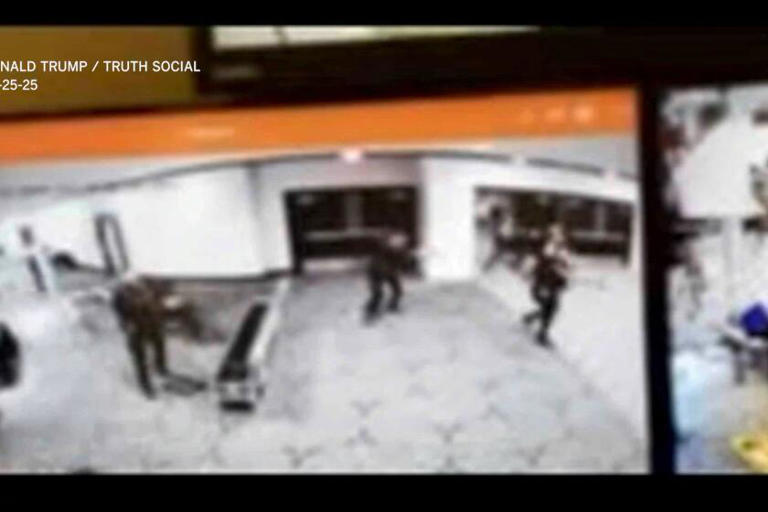
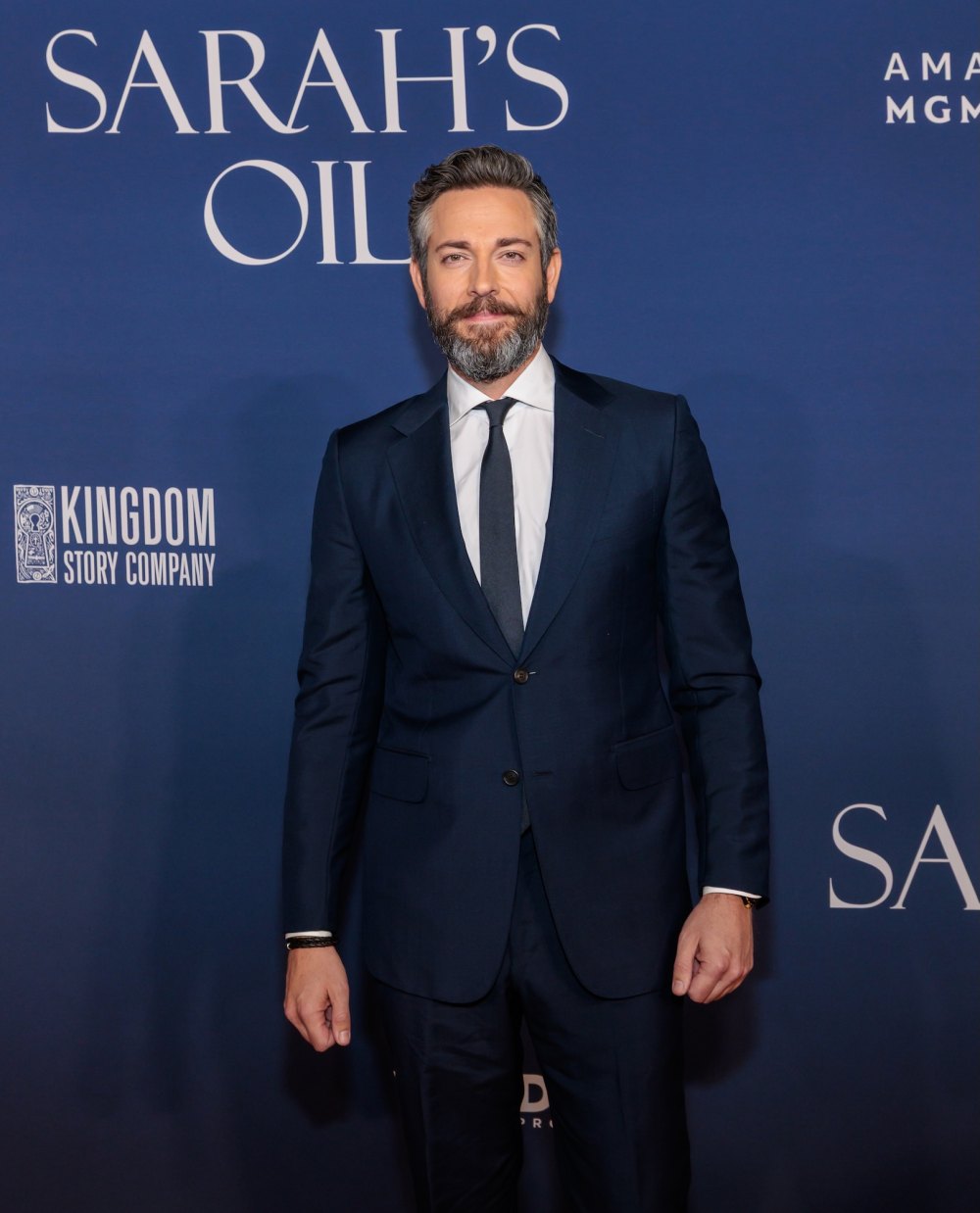
The sudden crack of gunfire inside a packed ballroom is a scenario no guest imagines when attending a high-profile gala. But that’s exactly what unfolded at the Washington Hilton during a recent event tied to the White House Correspondents’ Dinner (WHCD), thrusting actor Zachary Levi into an unexpected and harrowing moment. As attendees scrambled for cover, Levi—best known for his roles in Chuck and Shazam!—became one of the few public figures to provide a firsthand account of the internal chaos. His observations, shared in media interviews and social media updates, offer rare insight into how quickly a celebratory environment can turn into a survival situation.
Zachary Levi Was Inside the Ballroom
When the Shooting Began
Zachary Levi was seated near the front of the ballroom during the Radio and Television Correspondents Association (RTCA) dinner—a long-standing event that often draws celebrities, journalists, and political figures. Though less publicized than the main WHCD, the RTCA gathering still attracts a prominent crowd. Levi had been invited as a guest speaker to discuss media representation and mental health advocacy, topics he’s long supported.
According to his account, the first indication of trouble was not gunfire, but confusion. “I heard a loud pop, then silence,” Levi told CNN in a follow-up interview. “People looked around like, ‘Was that a mic feedback? A firecracker?’ Then someone screamed.”
Within seconds, event staff and security began shouting for attendees to get down. Levi reacted quickly. “I ducked under the table instinctively. I looked around—people were wide-eyed, some frozen.” His training as an actor in action sequences didn’t prepare him for real danger, but he credits basic situational awareness with helping him stay calm.
Timeline of Events: From Speech to Lockdown
Understanding the sequence of events helps clarify why the internal reaction was so disorganized at first.
- 8:12 PM: Levi finishes a 10-minute speech on mental health and media responsibility. Applause.
- 8:14 PM: A loud noise, later confirmed as gunfire, echoes from a service hallway adjacent to the ballroom.
- 8:15 PM: Screams erupt. Confusion spreads—many assume it’s a prop or special effect.
- 8:16 PM: Security personnel begin directing guests to the floor. Chairs overturn. Emergency lighting activates.
- 8:18 PM: Ballroom doors are sealed from the outside by external security. No announcements are made over the PA.
- 8:22 PM: Police enter from multiple points, weapons drawn. They clear the room within four minutes.
Levi noted that the lack of immediate communication heightened fear. “No one told us what was happening. Was it over? Was the shooter inside? Were there more than one?” That informational void, he said, was almost as terrifying as the gunfire itself.
How Levi Responded in the Critical First Minutes
In the absence of official direction, individuals defaulted to personal instincts. Levi’s actions reflect a mix of training, media literacy, and emotional control.
After dropping to the floor, he assessed nearby guests. “There was an elderly couple next to me—shaking, couldn’t get down. I guided them under the table, put my jacket over them like a small shield,” he recalled. He emphasized that no action felt heroic in the moment—“It was pure reaction.”
He also warned against using phones to record. “I saw people pulling out phones to film. I told them: ‘Don’t. You’re exposing your position. Save battery in case you need to call someone.’” That advice, though not universally followed, was based on active-shooter survival guidelines often shared by law enforcement.
Levi stayed low for nearly 20 minutes until police cleared the room. Only then did he learn that the shooter—an armed individual with no media credentials—had been stopped in a service corridor before entering the main hall. No attendees were physically injured, though several suffered panic attacks and required medical attention.
Media Reaction and Public Statements
In the 48 hours following the incident, Levi emerged as a key voice in media coverage. Unlike other attendees who declined interviews, Levi spoke with multiple outlets, including The Hollywood Reporter, NPR, and Good Morning America. His tone was measured but urgent.
“We need to stop treating these events like inevitabilities,” he said during one broadcast. “We have metal detectors at airports, at concerts, at sports arenas. Why not at events where politicians, journalists, and celebrities gather?”
His comments sparked debate. Supporters praised his composure and advocacy, while critics questioned why a celebrity’s perspective was being amplified over journalists or security personnel present. Still, Levi’s reach brought attention to gaps in event safety—particularly for secondary gatherings linked to high-profile political weekends.
Why the Ballroom Had Limited Security Protocols
The RTCA dinner, unlike the main WHCD, is not federally protected. It’s organized by a private nonprofit and held at a commercial venue. As such, it operates under different security standards.
Key differences:
- No federal law enforcement presence: Unlike the main WHCD, which involves the Secret Service, the RTCA event relies on private security and local police on standby.
- Soft target design: Ballrooms are designed for access and flow, not lockdowns. Multiple entry points, catering hallways, and minimal screening zones increase vulnerability.
- Credentialing gaps: While guests must register, background checks are not standard. The shooter reportedly used a forged press pass to bypass initial checks.
Levi pointed to these flaws directly. “We walked in like it was a movie premiere. No wands, no bag checks,” he said. “That has to change—even if it slows things down.”
The Psychological Impact on Attendees
Even without physical injuries, trauma spreads quickly in mass-casualty scare events. Crisis psychologists refer to this as “collective acute stress response.”
Levi admitted to experiencing symptoms afterward: insomnia, hypervigilance in crowds, and recurring mental replays of the noise. “I keep hearing that pop,” he said. “It’s not PTSD—yet—but it’s definitely left a mark.”
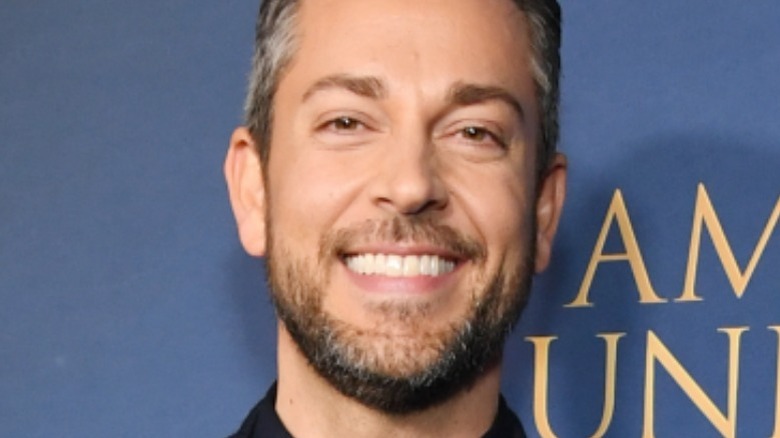
He encouraged others in attendance to seek counseling, noting that emotional fallout often surfaces days or weeks later. “We’re told to ‘get back to normal,’ but normal doesn’t exist right away. Acknowledge the fear. Talk about it.”
Several organizations, including the National Press Club and the RTCA, have since partnered with mental health providers to offer free support sessions for affected guests and staff.
What This Means for Future High-Profile Events
Levi’s account is more than a personal story—it’s a case study in event safety failures and crisis response.
Organizers of similar galas should consider:
- Mandatory security screenings for all attendees, regardless of event tier.
- Real-time communication systems, such as emergency PA announcements or SMS alerts.
- Trained response drills for staff, including how to guide evacuations or lockdowns.
- Designated safe zones within event spaces, clearly marked and pre-approved by law enforcement.
- Credential verification protocols, including biometric or digital ID cross-checks.
Levi has since met with event planners and security consultants to share his observations. “I’m not a policy expert,” he said. “But if my experience helps prevent this from happening again, then speaking up is non-negotiable.”
Conclusion: A Wake-Up Call Hidden in a Celebrity Narrative
Zachary Levi didn’t expect to become a witness to violence when he accepted a speaking invitation. But his actions during the ballroom commotion—and his willingness to speak candidly afterward—have elevated the conversation around public safety at high-profile events. His insights underscore a growing truth: even non-political gatherings in major cities are vulnerable, and complacency can be dangerous.
For event planners, attendees, and public figures alike, the takeaway is clear: preparedness cannot be optional. Whether you’re a journalist, a guest, or a star, knowing how to respond when crisis hits can make the difference between chaos and control.
Act now: If you’re attending a large event, check the venue’s emergency plan, identify exits, and keep a low-profile emergency kit (phone charger, water, ID). Trust your instincts. And if you see something off, say something—immediately.
FAQ
Was Zachary Levi injured during the WHCD-related shooting? No, Zachary Levi was not physically injured. He remained unharmed but experienced emotional distress following the incident.
Where exactly did the shooting take place? The gunfire occurred in a service hallway adjacent to the ballroom at the Washington Hilton during the RTCA dinner, not the main WHCD event.
Did the shooter enter the ballroom? No. The individual was intercepted by security before entering the main ballroom, preventing direct access to attendees.
How did Zachary Levi help others during the incident? He guided an elderly couple under a table, advised people not to use phones, and remained calm to help de-escalate panic.
Why wasn’t there stronger security at the event? The RTCA dinner is a private event without federal protection, resulting in less stringent security than the main WHCD.
Has Zachary Levi spoken about gun control since the incident? While he hasn’t advocated for specific legislation, he has emphasized the need for improved event security and mental health support.
Are events like the RTCA dinner expected to change their protocols? Yes. Organizers have announced plans to implement metal detectors, better credentialing, and emergency communication systems for future events.
FAQ
What should you look for in Zachary Levi Reveals Chaos Inside Ballroom During WHD Shooting? Focus on relevance, practical value, and how well the solution matches real user intent.
Is Zachary Levi Reveals Chaos Inside Ballroom During WHD Shooting suitable for beginners? That depends on the workflow, but a clear step-by-step approach usually makes it easier to start.
How do you compare options around Zachary Levi Reveals Chaos Inside Ballroom During WHD Shooting? Compare features, trust signals, limitations, pricing, and ease of implementation.
What mistakes should you avoid? Avoid generic choices, weak validation, and decisions based only on marketing claims.
What is the next best step? Shortlist the most relevant options, validate them quickly, and refine from real-world results.