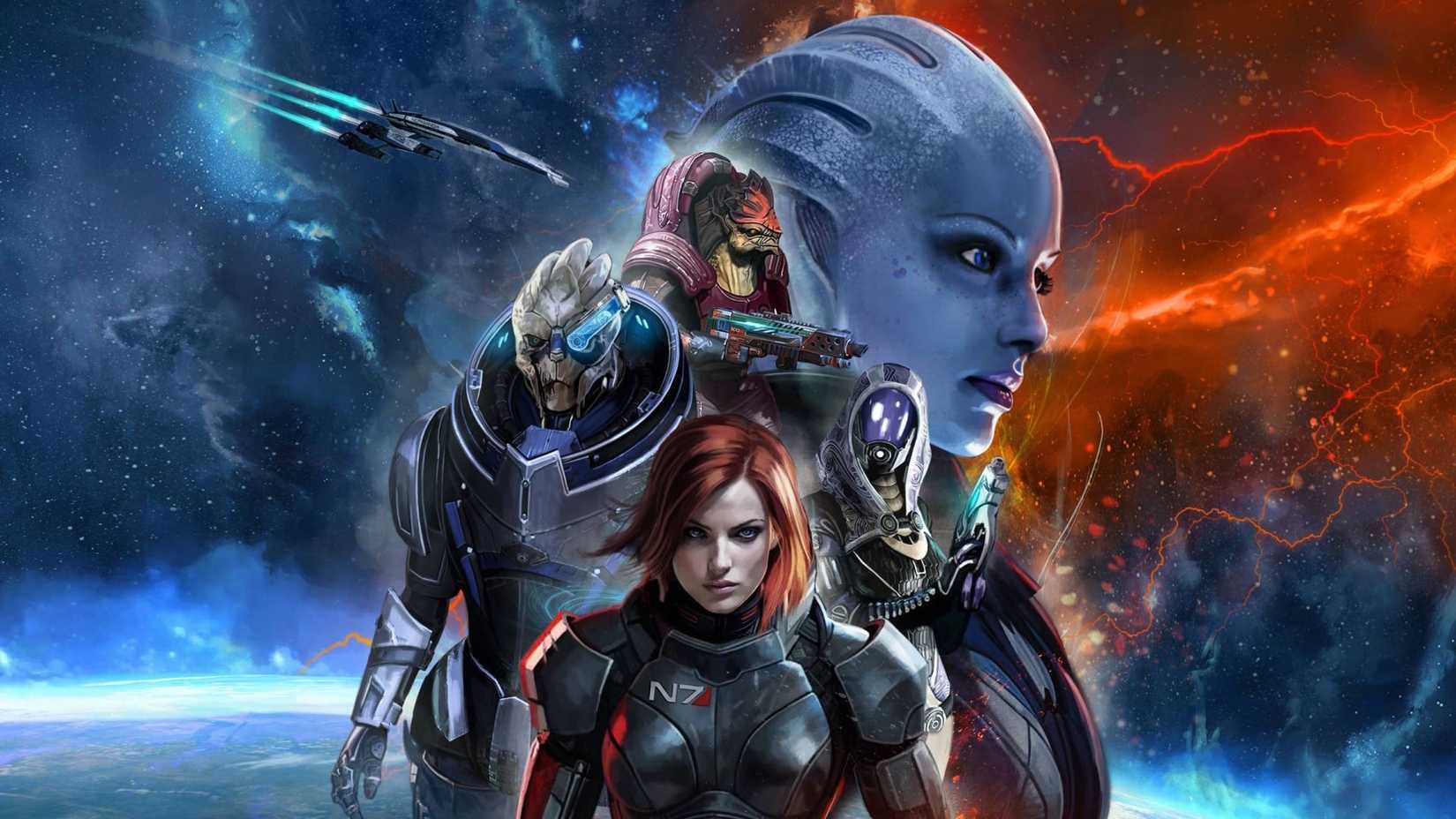
Keith David’s return as Admiral Steven Hackett in Mass Effect Legendary Edition sparked quiet celebration—but it was Freddy Shepard’s reemergence that reignited a firestorm. Not because the character returned, but because the actor behind him finally broke years of silence. When Mass Effect 3 launched, a subset of players revolted against the inclusion of a morally ambiguous squadmate whose actions clashed with established lore. That character? Javik, the last Prothean.
Now, voice actor Ike Amadi has opened up about reprising the role amid ongoing debate—delivering candid insight into performance, player reception, and how controversy doesn’t always equal failure.
The Return No One Saw Coming—But Should Have
Javik wasn’t just controversial—he was polarizing. Introduced in the Leviathan DLC, the genetically engineered warrior from an ancient extinct cycle disrupted the narrative equilibrium. His blunt, supremacist worldview alienated fans invested in Commander Shepard’s legacy of unity. Yet, when Amadi returned to voice the character in comics and potential sequel teases, his comments revealed a different calculus: Javik was never meant to be likable—he was meant to be necessary.
“People forget,” Amadi said in a 2023 convention panel, “Javik isn’t there to make friends. He’s there to remind you that survival doesn’t require morality. That’s uncomfortable. But that’s the point.”
The backlash wasn’t just about tone—it was about timing. In a trilogy climaxing in hope and sacrifice, Javik’s nihilism felt like a narrative middle finger. But Amadi argues the discomfort was intentional: “BioWare didn’t write a hero. They wrote a mirror. And sometimes, mirrors piss you off.”
Why Fan Backlash Missed the Point
Controversy around Javik centers on three key complaints—each addressed indirectly by Amadi’s reflections:
- He undermines the Protheans’ legacy
- Fans once revered the Protheans as noble, enlightened saviors. Javik revealed them as imperialists who dominated lesser species. Amadi noted: “Mythology is built on lies. When the truth comes out, people don’t like it. But that’s history.”
- He’s too abrasive
- Javik’s dialogue is laced with disdain—calling humans “primitives” and dismissing galactic politics. Yet Amadi defended the tone: “He watched his entire species erased. He has zero reason to care about your feelings.”
- He disrupts team chemistry
- Unlike Garrus or Tali, Javik never softens. No loyalty mission, no emotional arc. Amadi sees this as narrative integrity: “He’s not broken. He’s consistent. We demand growth from aliens like they’re therapy patients. Not everyone heals.”
The irony? Players who vilified Javik often praise characters like Mass Effect 2’s Legion for similar traits—cold logic, cultural detachment. Amadi suggests the difference is familiarity bias: “Legion was mysterious. Javik was direct. People hate being told the truth to their face.”
Actors Weigh In: Controversy as Creative Fuel
Amadi isn’t alone. Other Mass Effect actors have commented on reprising contentious roles:
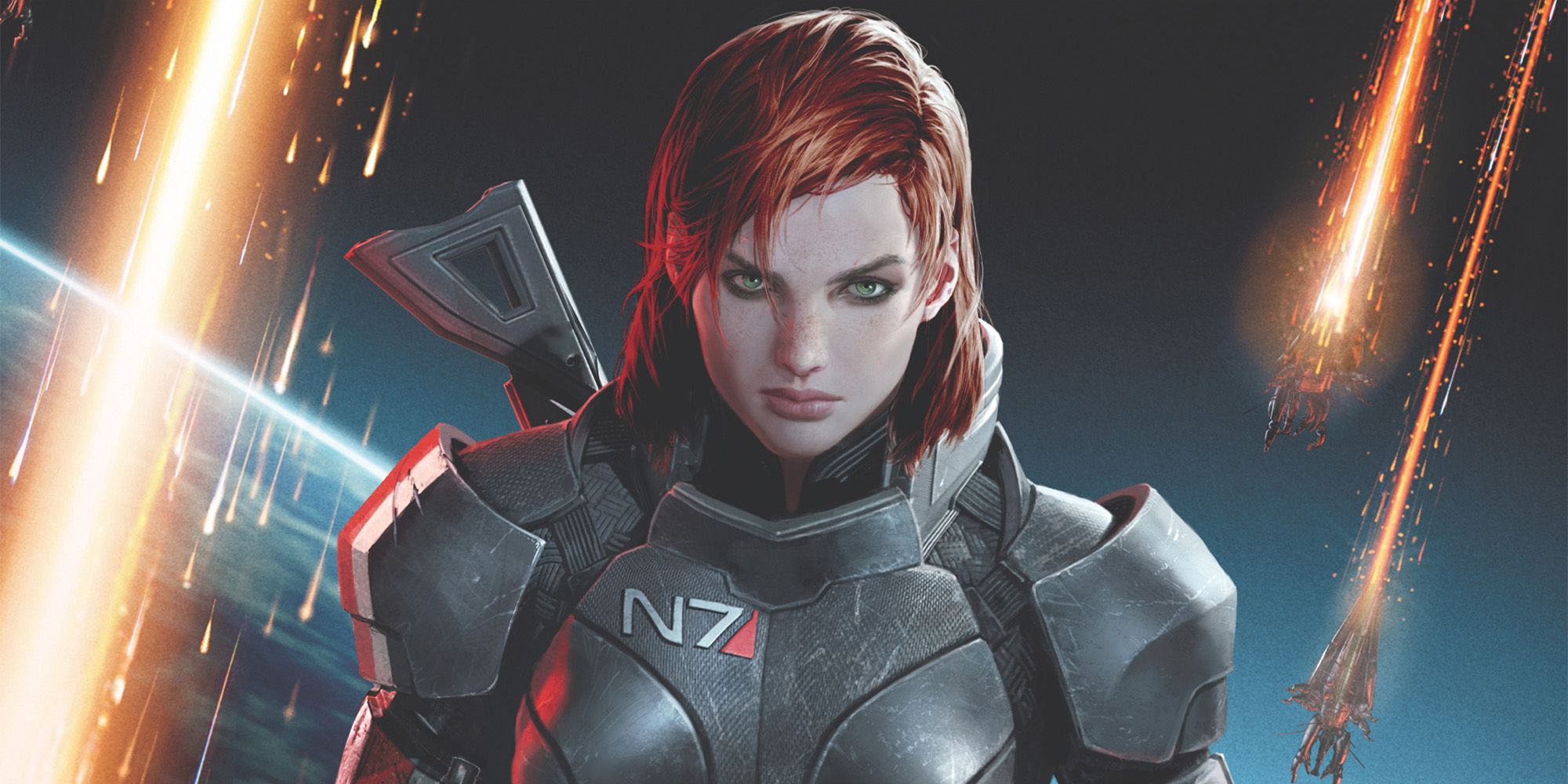
- Samantha Traynor’s romance arc drew ire for sidelining established pairings. Actress Ash Sroka acknowledged: “Not everyone wanted her there. But she represented choice. That’s what Mass Effect does.”
- EDI’s synthetic evolution baffled some purists. Voice artist Jamie Marchi noted: “Change is scary. But AI consciousness wasn’t a twist—it was foreshadowed for two games.”
These comments reveal a pattern: actors understand their roles exist within a larger thematic framework. Controversy, they argue, often stems from emotional investment—not poor writing.
Amadi’s take is especially pointed: “If you’re mad at Javik, good. That means the story worked. If he’d been charming and agreeable, he would’ve failed.”
The Risk of Bringing Back Divisive Characters
Reintroducing a polarizing figure isn’t just a creative decision—it’s a commercial gamble. Studios often sideline controversial characters to avoid alienating fans. But Mass Effect has a history of doubling down:
- The Synthesis ending in ME3—widely mocked—has quietly gained philosophical traction in academic circles.
- The Quarian-Geth peace arc remains debated, yet narratively coherent.
When asked if Javik could return in a rumored Mass Effect 4, Amadi offered a cryptic but telling response: “I’d come back tomorrow if they asked. Not because fans want it. Because the story isn’t done with him.”
That’s the crux: actors aren’t just rehashing lines. They’re advocating for narrative continuity—even when it’s unpopular.
How Performance Shapes Perception
Amadi’s vocal performance is key to Javik’s divisiveness. His delivery is clipped, rhythmic, dripping with disdain. But subtle shifts—hesitation in dialogue about betrayal, a rare pause when discussing loss—add depth.
Consider this exchange from the Leviathan DLC:
Commander Shepard: “You’re the last of your kind. Doesn’t that weigh on you?” Javik: “No. I weigh on them.”
On paper, it’s cold. But Amadi’s low, deliberate tone transforms it into tragic defiance. As he explained: “There’s pain under there. But he’d rather die than show it. My job was to let you hear it without stating it.”
This nuance is often lost in meme culture. Clips of Javik calling humans “vermin” circulate without context, reducing him to a caricature. Amadi laments this: “You can’t judge a character by their soundbite. That’s not storytelling—that’s social media.”
What the Actor’s Comments Reveal About BioWare’s Intent
Amadi’s interviews suggest a broader philosophy at play: Mass Effect was never about comfort.
- The Reapers weren’t just invaders—they were a critique of cyclical violence.
- The Citadel wasn’t just a hub—it was a symbol of controlled evolution.
- Javik wasn’t just a squadmate—he was proof that “advanced” doesn’t mean “ethical.”
His return, and the actor’s defense of it, reinforces that BioWare prioritized thematic depth over crowd-pleasing.
This isn’t unique to Javik. When Mark Meer (male Shepard) discussed player choices, he noted: “We didn’t make a hero. We made a lens. You saw what you wanted in him.” The same applies to Javik—players didn’t reject him because he was poorly written, but because he reflected uncomfortable truths.
Navigating Legacy in a Franchise That Values Risk
The Mass Effect series thrives on moral ambiguity. From the Genophage to the Rachni, BioWare consistently forces players to confront compromise. Javik fits squarely within that tradition.
Yet, his return remains uncertain. No official Mass Effect 4 announcement exists. But Amadi’s willingness to reprise the role—and his articulate defense of the character—suggests a path forward:
- Javik as an advisor in a post-Reaper galaxy, clashing with new ideologies.
- A narrative exploring Prothean history beyond Javik’s biased account.
- A DLC revealing Javik’s internal conflict through logs or visions.
“People want redemption arcs,” Amadi said. “But some wounds don’t heal. Some truths don’t soften. That’s okay.”
The Bigger Picture: Controversy as a Sign of Impact
Not every character should be beloved. Not every return should be celebrated. But when an actor speaks passionately about a role fans love to hate, it signals something vital: the character mattered.
Javik’s controversy isn’t a flaw—it’s proof of resonance. He challenged assumptions, disrupted harmony, and forced players to defend their ideals. That’s not bad storytelling. That’s effective storytelling.
Amadi’s comments do more than defend a performance. They reframe the conversation: from “Why bring him back?” to “Why wouldn’t we?”
As the Mass Effect universe inches toward a new chapter, the return of divisive figures may be the most authentic way to honor its legacy. After all, the best sci-fi doesn’t comfort. It confronts.
If you’re waiting for a franchise to play it safe, Mass Effect was never the place. But if you want stories that challenge, evolve, and linger—listen to the actors. They know what the characters were built to do.
FAQ
Why is Javik such a controversial character in Mass Effect? Javik’s supremacist views and brutal honesty clashed with the series’ themes of unity, making him a divisive addition to Commander Shepard’s crew.
What did Ike Amadi say about reprising Javik? He defended the character’s role, stating Javik was meant to be uncomfortable and truthful, not likable, and that his perspective was essential to the narrative.
Did fans want Javik to return in Mass Effect 4? Opinions are split—some appreciate his depth and lore contributions, while others still resent his tone and late-game introduction.
How does Javik’s return reflect BioWare’s storytelling style? It reinforces BioWare’s tendency to embrace moral complexity and challenge players’ assumptions, rather than deliver straightforward heroism.
Is Javik canon in the Mass Effect storyline? Yes—his presence is canon if players choose to download the Leviathan DLC, and he appears in official comics and sequels.
Could other controversial characters return based on actor commentary? Actors like Ash Sroka and Jamie Marchi have expressed openness to returning, suggesting BioWare may revive contested arcs if narratively justified.
What lesson do actor comments offer about fan backlash? They show that controversy often stems from emotional investment, and that unpopular characters can still serve vital storytelling functions.
FAQ
What should you look for in Mass Effect Actor Speaks on Controversial Character Return? Focus on relevance, practical value, and how well the solution matches real user intent.
Is Mass Effect Actor Speaks on Controversial Character Return suitable for beginners? That depends on the workflow, but a clear step-by-step approach usually makes it easier to start.
How do you compare options around Mass Effect Actor Speaks on Controversial Character Return? Compare features, trust signals, limitations, pricing, and ease of implementation.
What mistakes should you avoid? Avoid generic choices, weak validation, and decisions based only on marketing claims.
What is the next best step? Shortlist the most relevant options, validate them quickly, and refine from real-world results.