Community colleges don’t always get the attention they deserve—until someone needs a real solution. Ivy Tech Community College in Indianapolis is one of those overlooked powerhouses: affordable, flexible, and deeply connected to local job markets. For students weighing options after high school, career changers, or adults returning to education, Ivy Tech offers a pragmatic launchpad without the debt burden of traditional four-year institutions.
But choosing a college isn’t just about cost. It’s about outcomes—what you study, how you learn, and where it leads. This guide cuts through the noise to deliver what matters: real program details, transfer pathways, support services, and student experiences unique to the Indianapolis campus.
Why Choose Ivy Tech Community College in Indianapolis?
Ivy Tech isn’t just available—it’s strategic. With over 17,000 students enrolled at its Indianapolis campus alone, it’s one of the largest community colleges in the state. But scale doesn’t always equal quality. What sets this campus apart?
First, location. Situated near downtown Indianapolis, the campus sits within reach of major employers like Eli Lilly, Salesforce, and Indiana University Health. This proximity isn’t accidental. Ivy Tech builds curricula around regional labor demands, meaning students train for jobs that actually exist in their backyard.
Second, affordability. Tuition averages $153 per credit hour for in-district students—roughly one-tenth the cost of some private universities. Books, fees, and transportation are still factors, but financial aid, scholarships, and Workforce Ready Grants cover many expenses for qualifying students.
Third, flexibility. Whether you’re working nights, parenting, or balancing multiple responsibilities, Ivy Tech offers hybrid, evening, weekend, and fully online courses. Synchronous classes meet on set schedules; asynchronous ones let you progress on your own time. That matters when life doesn’t pause for lectures.
Finally, real-world alignment. Most programs include internships, clinical rotations, or capstone projects tied to Indianapolis industries. Engineering tech students partner with Cummins; nursing students train at Eskenazi Health. These aren’t hypotheticals—they’re pipelines to employment.
Academic Programs That Lead to Jobs
Ivy Tech Indianapolis doesn’t offer hundreds of niche majors. Instead, it focuses on high-demand fields with clear career trajectories. Programs are grouped into academic schools, each aligned with industry sectors.
Health Sciences
One of the strongest offerings. The Indianapolis campus trains nurses, radiologic technologists, respiratory therapists, and medical coders. The Associate Degree in Nursing (ADN) is competitive—applicants need CPR certification, background checks, and prerequisite courses—but graduates pass the NCLEX at rates above the national average.
Clinical rotations happen at Eskenazi Health, Community Hospital, and Roudebush VA Medical Center. Students gain hands-on experience before graduation, often leading to job offers.
Other standout programs: - Dental Hygiene: Includes patient care labs and externships. - Surgical Technology: Prepares students for operating room roles in under two years. - Behavioral Health: Designed for those entering addiction counseling or case management.
Advanced Manufacturing & Engineering Technology
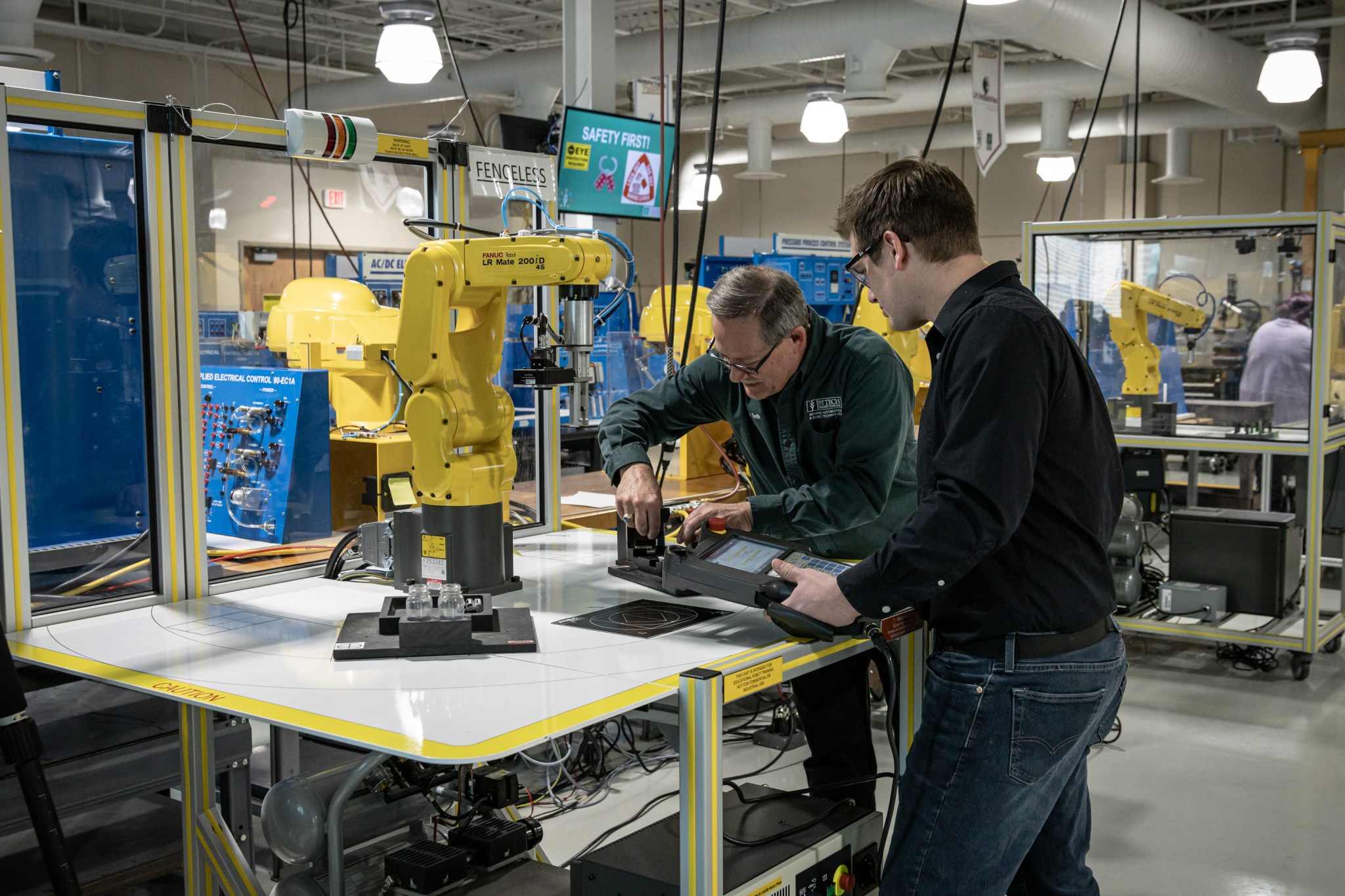
Indianapolis is a hub for advanced manufacturing, and Ivy Tech responds accordingly. Programs in: - Mechanical Engineering Technology - Electrical Engineering Technology - Robotics & Automation

…include lab work in modern facilities with industry-grade equipment. Students design circuits, program PLCs (programmable logic controllers), and troubleshoot real machinery used by local manufacturers.
Graduates often land roles at companies like Rolls-Royce, Subaru, or Allison Transmission. Median starting salaries range from $45,000 to $65,000—without needing a four-year degree.
Information Technology
Cybersecurity, cloud computing, and networking programs are growing fast. The IT department partners with Amazon Web Services (AWS) and Cisco, giving students access to certification-aligned coursework.
For example: - The Cybersecurity AAS includes preparation for CompTIA Security+ and CEH exams. - Networking students build virtual networks using Cisco Packet Tracer. - Cloud Computing tracks include AWS Academy curriculum.
Many students complete certifications while earning their degree—making them more hireable immediately.
Business & Public Services For those eyeing management or public sector roles, Ivy Tech offers: - Business Administration (general, healthcare, or digital marketing tracks) - Criminal Justice - Early Childhood Education
The Business program includes a simulated company project where students manage budgets, marketing campaigns, and HR scenarios. Criminal Justice students train at the Public Safety Training Complex, using mock courtrooms and patrol vehicles.
Transferring to a Four-Year University
A common myth: community college limits academic growth. At Ivy Tech, the opposite is often true.
Through Indiana’s 2+2 articulation agreements, credits transfer seamlessly to schools like: - Indiana University–Purdue University Indianapolis (IUPUI) - Indiana State University - University of Indianapolis - Butler University
For example, completing an Associate of Science (AS) in Computer Science at Ivy Tech guarantees junior status at IUPUI’s Computer Science program—provided GPA and course requirements are met.
But transfer success depends on planning. A frequent mistake? Taking general education courses without verifying transferability. Not all credits move. Students should use TransferIN.net, a state-run tool that shows exactly which courses transfer to each university.
Advisors at the Indianapolis campus help map transfer pathways early. They’ll recommend specific courses, co-curriculars, and even recommend target universities based on major and GPA.
Support Services That Actually Help
Free tutoring, counseling, and career coaching sound standard—until they’re actually accessible.
At Ivy Tech Indianapolis, services are embedded in the student journey: - Tutoring Centers: Available for math, writing, and science. Peer tutors are often former students who aced the same tough courses. - Career Coaching: Includes resume reviews, mock interviews, and job fairs with local employers. CareerLink, the college’s job board, lists openings from trusted partners. - Child Care Assistance: The Elizabeth Grant Child Development Center offers subsidized care for student parents. - Food Pantry: The Fueling Success Pantry provides groceries and hygiene products—no questions asked.
One underused resource? The Transfer Center. It hosts monthly workshops on university applications, financial aid forms (FAFSA), and scholarship searches. Students who attend are 30% more likely to complete transfer applications on time.
Campus Life Beyond the Classroom
College isn’t just about academics. At Ivy Tech Indianapolis, campus life is low-key but meaningful.

There are no football stadiums or dorms, but students engage through: - Clubs: From Phi Theta Kappa (honors society) to the IT Club and Nursing Student Association. - Events: Job readiness workshops, wellness fairs, and cultural celebrations. - Student Government: Offers leadership experience and advocacy.
The Learning Commons is a hub—open late during finals, stocked with study rooms, computers, and coffee. Unlike larger universities where students get lost, Ivy Tech’s size fosters recognition. Professors know names. Advisors follow up.
For commuters, the campus is accessible via IndyGo buses. Free parking is available, though lots fill quickly during peak hours.
Realistic Downsides and How to Navigate Them
No college is perfect. Ivy Tech’s Indianapolis campus has limitations.
1. No On-Campus Housing Students must arrange their own living situations. This can be a barrier for out-of-town enrollees. Solution: Coordinate early with local roommate boards or nonprofit housing programs like Genesis Services.
2. Competitive Admission for Select Programs Nursing, dental hygiene, and radiography accept only a fraction of applicants. Some wait years. Solution: Enroll in general studies while completing prerequisites and boosting GPA. Gain volunteer hours in healthcare settings to strengthen applications.
3. Variable Online Course Quality Not all instructors are trained in digital pedagogy. Some online classes feel like PDF dumps. Solution: Check course reviews via CampusReel or RateMyProfessors before enrolling. Prioritize hybrid options if engagement matters.
4. Transfer Gaps in Non-Articulated Majors Unique majors like Aviation Maintenance don’t always have 2+2 pathways. Students may lose credits when transferring. Solution: Consult a transfer advisor early. Some universities accept elective credit even if it doesn’t count toward the major.
How to Apply and Get Started
The process is straightforward—but timing matters.
Step-by-Step Enrollment:
- Apply Online: Free at ivytech.edu/apply. Takes 15 minutes.
- Take Placement Test: Use ACT/SAT scores if within five years. Otherwise, complete Ivy Tech’s assessment (free and online).
- Submit Transcripts: High school and prior college. Request official copies early.
- Meet with Advisor: Mandatory for first-time students. They’ll help choose courses and apply for aid.
- Register for Classes: Enrollment opens 6–8 weeks before term start.
- Apply for Financial Aid: Complete FAFSA (school code: 007139). Workforce Ready Grant covers full tuition for eligible high-demand programs.
Start terms run in January, August, and May. Rolling admissions, but popular programs fill fast. Apply at least six weeks in advance.
Final Thoughts: Who Should Consider Ivy Tech Indianapolis?
Ivy Tech Community College in Indianapolis isn’t for everyone—and that’s its strength.
It’s ideal for: - High school grads who want to save money before transferring - Adults reentering education after a gap - Career switchers needing technical training fast - Workers upskilling while employed
It’s not ideal for: - Students seeking a traditional residential college experience - Those wanting highly specialized liberal arts majors - Anyone unwilling to self-advocate or manage logistics independently
If your goal is career momentum without crushing debt, Ivy Tech Indianapolis delivers. It’s not flashy. It’s functional. And in today’s economy, that’s valuable.
Enroll with a clear plan, use available resources, and align every course with your next step—whether that’s a job, a transfer, or a certification. That’s how students here turn access into advantage.
Frequently Asked Questions
What is the acceptance rate at Ivy Tech Community College Indianapolis? Ivy Tech has an open admissions policy. Most applicants are accepted if they have a high school diploma or GED.
Can I take online classes at the Indianapolis campus? Yes. Ivy Tech offers fully online, hybrid, and in-person courses. Online classes are taught by the same faculty.
Are there scholarships available? Yes. The Ivy Tech Foundation offers scholarships based on GPA, field of study, and financial need. Students should also apply for federal and state aid.
How long does it take to complete a degree? Most associate degrees take two years full-time. Certificates can be completed in 6–12 months.
Is campus parking free? Yes. Students park for free in designated lots. Permits are required and available through the campus website.
Can I visit the campus before applying? Yes. Campus tours and information sessions are available weekly. Register through the Ivy Tech Indianapolis website.
Does Ivy Tech help with job placement? Yes. Career services offer resume help, interview prep, and job fairs. Many programs have direct employer partnerships.
FAQ
What should you look for in Ivy Tech Community College Indianapolis Guide? Focus on relevance, practical value, and how well the solution matches real user intent.
Is Ivy Tech Community College Indianapolis Guide suitable for beginners? That depends on the workflow, but a clear step-by-step approach usually makes it easier to start.
How do you compare options around Ivy Tech Community College Indianapolis Guide? Compare features, trust signals, limitations, pricing, and ease of implementation.
What mistakes should you avoid? Avoid generic choices, weak validation, and decisions based only on marketing claims.
What is the next best step? Shortlist the most relevant options, validate them quickly, and refine from real-world results.