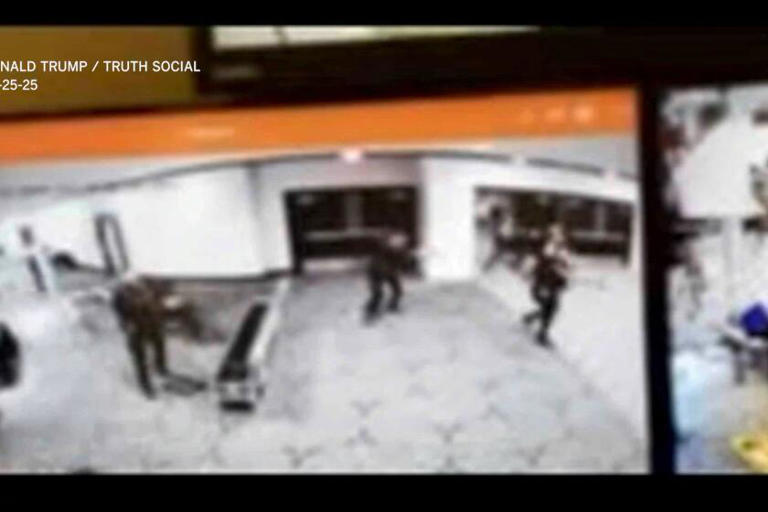
The evening was supposed to be a celebration of media and political camaraderie. Instead, it became a harrowing test of survival. Actor Zachary Levi, known for his role as the heroic Shazam, found himself in the middle of real-life danger when gunfire broke out near the annual White House Correspondents' Dinner (WHCD) festivities. Unlike scripted scenes with stunt coordinators and safety protocols, this moment had no rehearsal—only instinct, adrenaline, and the raw human response to sudden violence.
Levi, who was attending a satellite event inside a nearby Washington, D.C. ballroom, gave one of the most vivid and emotionally charged firsthand accounts of the commotion that unfolded when the shooting began just outside the venue’s perimeter. His recollection offers not just celebrity insight, but a chilling window into how quickly public gatherings can turn into emergency situations.
Inside the Ballroom: A Night Turned Nightmare
The ballroom, filled with journalists, public figures, and entertainment industry guests, was alive with laughter and clinking glasses when the first signs of trouble emerged. According to Levi, it wasn’t the sound of gunfire that reached the room first—it was the reaction of those near the exits.
"People near the back started standing up, whispering, then suddenly moving," Levi recalled in a post-event interview. "Then someone shouted, 'Get down!' and within seconds, tables were overturned, people were crawling, and the lights went out."
That moment marked the shift from social gathering to survival scenario. Levi described a surreal transition—champagne flutes shattered underfoot, emergency lighting flickered on, and a wave of silence replaced the earlier buzz, punctuated only by hushed voices and frantic whispers.
The Sound of Fear
One of the most jarring aspects Levi emphasized was the absence of clear information. No announcements. No official guidance. Just the instinctual scramble for cover.
“We didn’t know if it was inside or outside,” he said. “All we heard was shouting, boots running, and then what sounded like three rapid pops. It could’ve been fireworks—but no one was taking that chance.”
In the absence of verified information, misinformation spread quickly. Rumors circulated that the shooter had entered the building. Some thought it was a coordinated attack. Others feared it was a targeted act against a prominent guest. Levi admitted even he questioned whether the violence was politically motivated or simply a random act of chaos.
Levi’s Response: From Actor to Calm Voice in Crisis
While many froze or fled in panic, Levi took an unexpected role—calming those around him. Drawing from years of improvisational training and on-set composure, he urged people nearby to stay low, avoid the main exits, and conserve phone battery in case emergency services needed to be contacted.
“I kept saying, ‘Don’t run toward the doors—barricade if you can. Silence your phones. Help anyone who’s hurt,’” Levi explained. “It’s weird, because I play a superhero, but in that moment, I just wanted to be useful.”
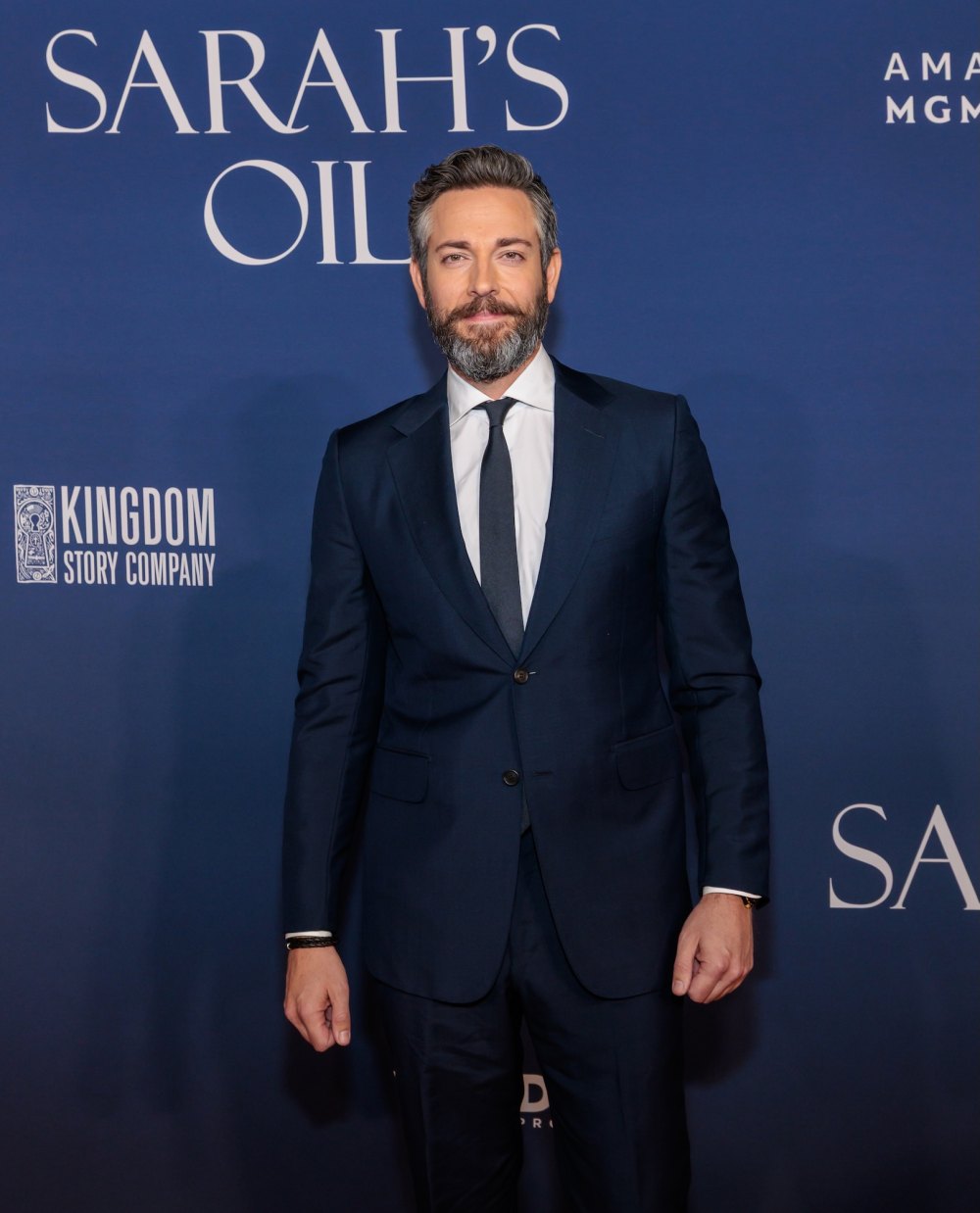
One attendee later confirmed that Levi helped guide a group of five people into a service closet, where they waited in darkness until law enforcement gave the all-clear. His actions weren’t broadcasted or filmed. They were quiet, deliberate, and grounded in a sense of responsibility—even when he, too, was afraid.
The Psychology of Crisis Behavior
Levi’s reaction highlights a well-documented phenomenon in emergency psychology: some individuals default to leadership during high-stress events, even without formal training. Experts note that experience in high-pressure environments—like acting under live conditions or performing stunts—can condition a person to maintain focus when others panic.
Still, Levi was quick to downplay heroism. “I didn’t do anything extraordinary,” he said. “I just didn’t lose my head. That’s the thing—when everyone’s screaming, the person who stays calm becomes a beacon.”
Event Security: What Failed, What Worked
The WHCD and its satellite events are typically high-security affairs, with metal detectors, bag checks, and federal law enforcement presence. Yet, the shooting occurred in a gap zone—near a service alley where perimeter security was reportedly thinner.
Levi pointed to this flaw during a follow-up interview: “There were armed guards at the front, but the side loading dock? Nothing. I saw staff going in and out all night. It was a blind spot.”
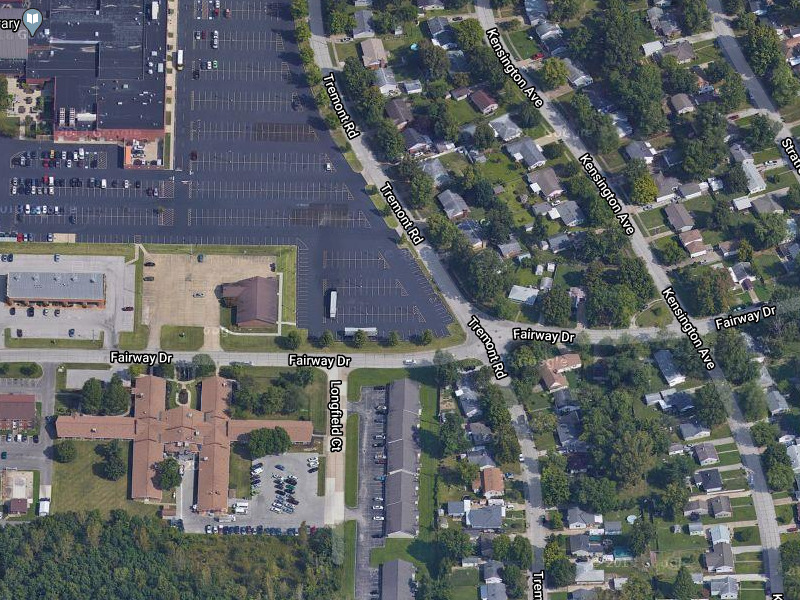
Security analysts later confirmed that the shooter had approached from an adjacent parking structure, avoiding main checkpoints entirely. This raises serious questions about venue mapping and threat assessment for large-scale public events.
Key Failures Identified:
- Inadequate side and rear surveillance
- Delayed internal communication to attendees
- Overreliance on visible security over strategic coverage
Conversely, the rapid response by D.C. Metro Police and Capitol Hill units was widely praised. The shooter was apprehended within 12 minutes, minimizing casualties. Still, the emotional toll on attendees like Levi lingered long after the sirens faded.
The Emotional Aftermath: When the Camera Stops Rolling For Levi, the trauma didn’t end when the all-clear was given. Like many who experience sudden violence, he struggled with sleep, hyper-vigilance, and intrusive thoughts.
“I kept replaying it,” he admitted. “The sound, the faces, the feeling of not knowing if I’d make it out. It’s not like the movies—there’s no music swelling. Just silence and fear.”
He later sought counseling and encouraged others affected to do the same. “We glorify toughness, but trauma doesn’t care how strong you are. It gets in, and it stays, unless you deal with it.”
His openness about mental health has sparked conversations across the entertainment industry about psychological preparedness for real-world emergencies—especially for public figures regularly attending high-profile events.
Celebrity in Crisis: A Double-Edged Role
Being a known figure during a crisis brings both advantages and vulnerabilities. On one hand, Levi’s presence helped stabilize a small group. His voice was recognized, his demeanor trusted.
On the other, his visibility created risk. In the chaos, someone shouted, “Is that Shazam?!”—potentially drawing attention to his location. In an age where social media spreads images in seconds, being identifiable in a crisis zone can be dangerous.
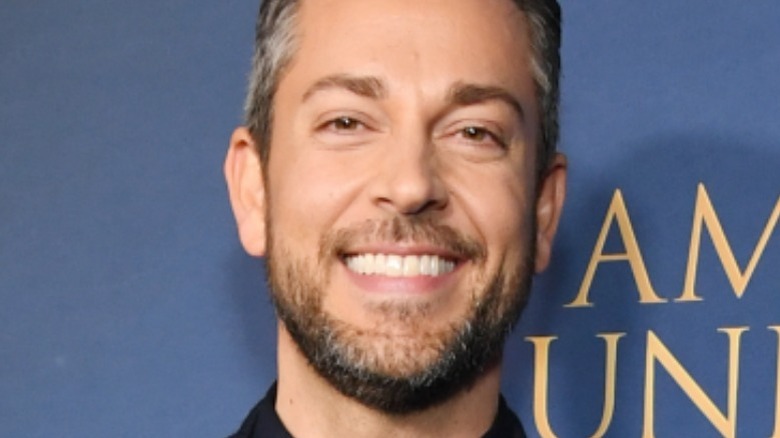
Levi reflected on this duality: “My face is out there. I can’t just blend in. That’s a gift and a curse. That night, it almost felt like being a target twice over.”
Public Safety Lessons from a Star’s Account
Levi’s experience isn’t just a celebrity anecdote—it’s a case study in real-time crisis response. Event planners, security teams, and even civilians can learn from what happened inside that ballroom.
Practical Takeaways:
- Know multiple exit routes: Levi noted that most guests only knew the main entrance. Always scout secondary exits upon arrival.
- Silence and conserve: In emergency lockdowns, keep phones on silent and avoid unnecessary use to preserve battery.
- Follow the calmest person: Panic spreads faster than information. Identify someone composed and stay close.
- Avoid assumptions: Don’t assume the threat is external or over after the first noise. Wait for official confirmation.
- Post-event mental health check-ins: Trauma doesn’t always show immediately. Schedule a mental health screening after high-stress experiences.
These aren’t just tips for celebrities. They’re survival strategies for anyone attending large public gatherings—from galas to concerts to political events.
Moving Forward: Security, Awareness, and Humanity
The WHCD shooting could have ended far worse. Thanks to swift law enforcement response and individuals like Zachary Levi who stepped up in the chaos, it became a story not just of fear, but of resilience.
Levi’s account serves as a stark reminder: danger doesn’t discriminate. It doesn’t matter if you’re a superhero on screen—when real violence strikes, everyone is vulnerable. But from that vulnerability, courage can emerge in unexpected forms.
As public events continue to evolve in an era of heightened threats, eyewitness testimony like Levi’s becomes invaluable. It informs policy, improves planning, and humanizes the statistics.
For those who attended that night, the memory remains. For the rest of us, it’s a wake-up call.
Stay aware. Stay prepared. And when the unexpected happens, remember: sometimes the most heroic thing you can do is stay calm.
FAQs
What was Zachary Levi doing at the WHCD event? He was attending a satellite gala honoring media and entertainment figures linked to the White House Correspondents' Dinner.
Did Zachary Levi witness the shooter directly? No, he did not see the shooter. His account focuses on the immediate reaction inside the ballroom after gunfire was heard.
How did security respond during the shooting? Law enforcement contained the shooter within minutes, but internal communication with attendees was delayed.
Has Zachary Levi spoken about trauma since the incident? Yes, he's been open about experiencing anxiety and sleep disturbances, and he advocates for mental health support after traumatic events.
Were there injuries inside the ballroom? No direct injuries occurred inside the ballroom. The shooting took place outside, near a service entrance.
Did the event continue after the shooting? No, all associated events were canceled immediately following the incident.
What can attendees do to stay safe at large events? Scan for exits, avoid crowded entry points, keep phones charged, and stay alert to staff instructions during emergencies.
FAQ
What should you look for in Zachary Levi Recounts Chaos During WHCD Shooting? Focus on relevance, practical value, and how well the solution matches real user intent.
Is Zachary Levi Recounts Chaos During WHCD Shooting suitable for beginners? That depends on the workflow, but a clear step-by-step approach usually makes it easier to start.
How do you compare options around Zachary Levi Recounts Chaos During WHCD Shooting? Compare features, trust signals, limitations, pricing, and ease of implementation.
What mistakes should you avoid? Avoid generic choices, weak validation, and decisions based only on marketing claims.
What is the next best step? Shortlist the most relevant options, validate them quickly, and refine from real-world results.