The air inside the ballroom had been electric—just moments before. Laughter, clinking glasses, and lighthearted political banter filled the room at the White House Correspondents’ Dinner. Then, in an instant, it turned to silence, then panic. Actor Zachary Levi, seated in the audience, found himself in the middle of something no one expected: a violent disruption that sent shockwaves through one of Washington D.C.’s most high-profile annual events.
Levi, known for his roles in Chuck and Shazam!, didn't attend as a journalist or politician. He was there as a guest, representing the intersection of Hollywood and media that the dinner often highlights. But when gunshots rang out near the venue, his experience shifted from red carpet glamor to survival instinct in seconds.
The Moment the Room Changed
It wasn’t the sound of gunfire that first alerted Levi—it was the reaction. One second, people were smiling, toasting, capturing selfies. The next, waiters dropped trays. A woman screamed. Then came the shouting: “Get down! Get down now!”
Levi later described the shift as “surreal,” like a scene from one of his action films suddenly becoming real. “You don’t think it’s going to happen to you,” he said in a subsequent interview. “You hear about these things, see them on the news, but when it’s your body hitting the floor, when it’s your breath catching in your throat—that’s when it becomes real.”
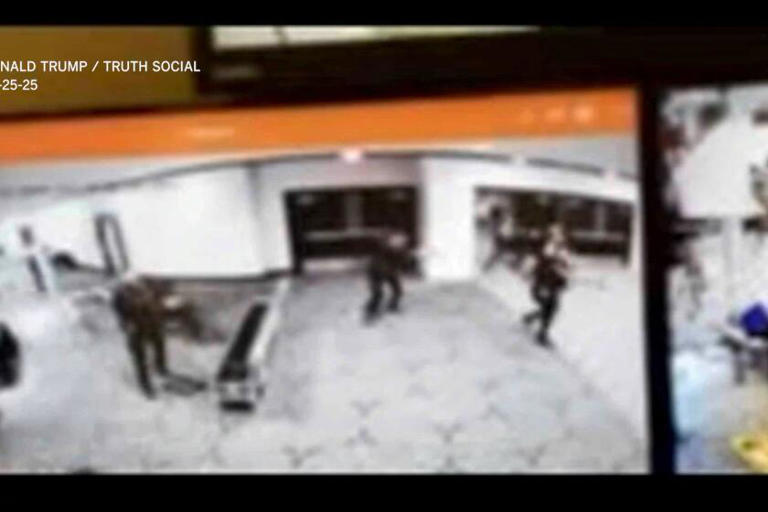
The commotion began just outside the main ballroom at the Washington Hilton. Reports later confirmed an armed individual had approached security near the media tent, leading to an officer-involved shooting. Though the ballroom itself wasn’t breached, the proximity and confusion caused mass alarm.
Levi recalled seeing journalists scrambling under tables, celebrities clutching their children, and staff herding people toward interior hallways. “There was no official announcement. No calm guidance. Just raw reaction. People were making decisions based on instinct, not information.”
Inside the Panic: How the Ballroom Reacted
What made the situation especially chaotic was the lack of clear communication. For several minutes, attendees didn’t know whether the threat was inside or outside the building. Rumors spread like wildfire.
- “I heard someone say there was a shooter in the ballroom,” Levi said. “Another person said it was a gas leak. Someone else thought it was a drill.”
- A CNN producer reportedly shielded a colleague with his body.
- Singer Megan Thee Stallion was seen being rushed out by security.
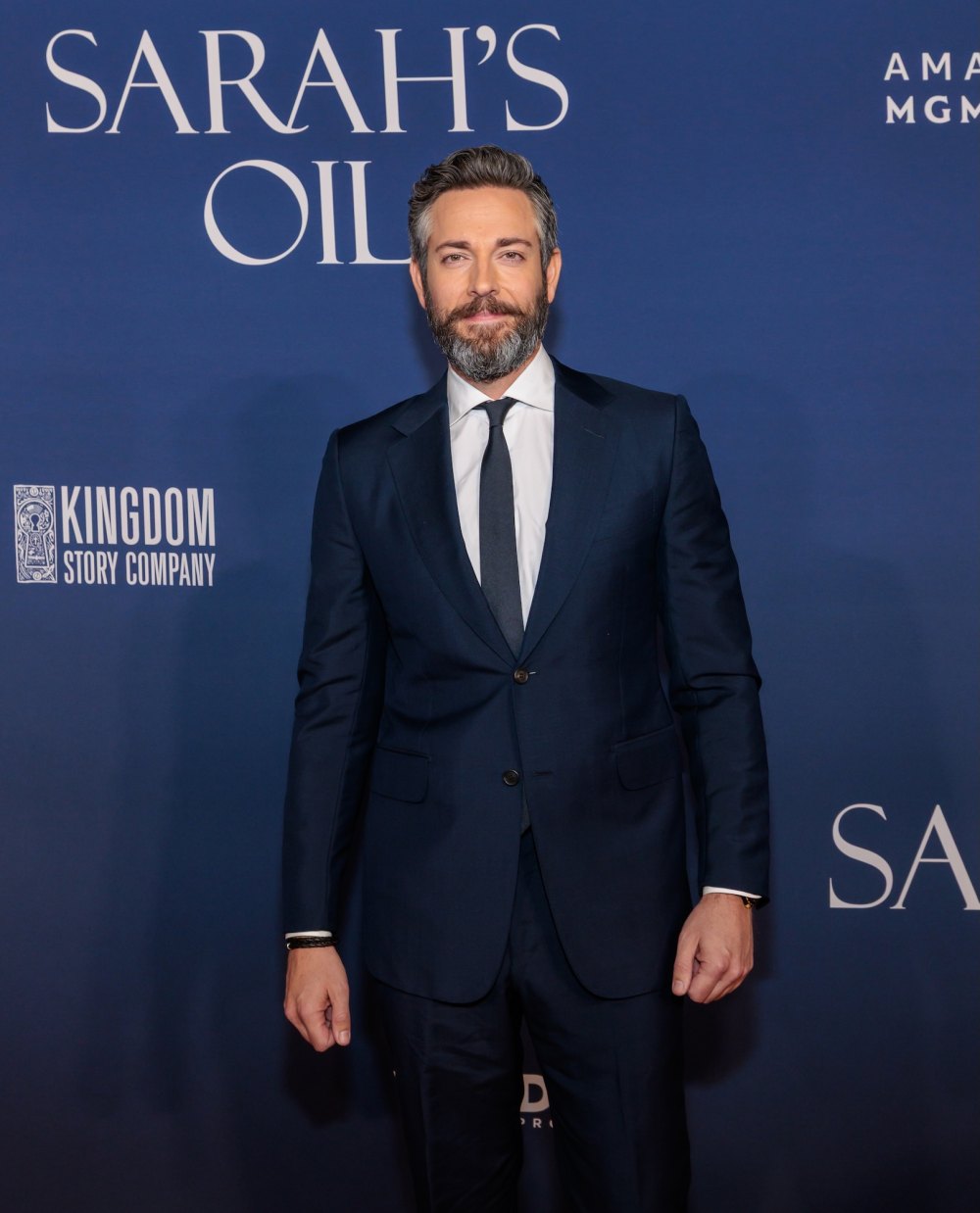
Levi stayed low, assessing exits and keeping his phone ready. “I was thinking: If this is real, how do I move? Where’s the nearest exit? Can I help anyone?” He emphasized that basic situational awareness—something he’d learned from stunt training—kicked in. “You don’t realize how much you pick up watching directors block scenes until you’re in a real threat scenario.”
He also noted the eerie contrast: moments earlier, comedians had been roasting politicians. Now, the same room was frozen in fear. “The laughter didn’t just stop. It felt erased, like it had never happened.”
Levi’s Role as a Public Witness
In the aftermath, Levi became one of the most visible firsthand accounts of the incident—not because he sought attention, but because of his public platform. Within hours, he shared a candid video on social media, recounting his experience with emotional clarity.
“I want people to understand this wasn’t just a ‘close call,’” he said. “This was terrifying. And it happened at an event where journalists—people whose job is to report the truth—are supposed to feel safe.”
His account stood out for its lack of sensationalism. Instead of dramatizing, he focused on the human element: the woman sobbing quietly beside him, the man who offered his jacket to a shivering guest, the way silence returned not with relief, but with grief.
Levi also used his platform to advocate for better safety protocols at public events. “We can’t assume venues are secure just because they’re high-profile,” he said. “We need coordinated communication plans, visible security, and real-time alerts that don’t rely on rumors.”
Safety Gaps at High-Profile Events
The WHCD incident exposed vulnerabilities often ignored at elite gatherings. Despite heavy media presence and political VIPs, the venue’s emergency response was fragmented.
Key issues Levi indirectly highlighted:
- No public alert system: Attendees were informed through word-of-mouth, not PA announcements.
- Conflicting instructions: Some security told people to evacuate; others said to shelter in place.
- Lack of visible protocol: No drills, signage, or pre-event safety briefings were provided to guests.
This isn’t unique to the WHCD. Similar breakdowns have occurred at award shows, sports events, and political conventions. Levi’s experience underscores a growing need for standardized safety measures—even at events perceived as low-risk.
Event planners can learn from this: - Conduct pre-event safety briefings for high-profile guests. - Install discreet but effective alert systems (e.g., app-based notifications). - Coordinate with local law enforcement on real-time threat response.
As Levi put it: “We invest millions in lighting and catering. Why not in peace of mind?”
The Emotional Aftermath For Levi, the trauma didn’t end when he left the building. “I couldn’t sleep that night,” he admitted. “Every little sound—my dog moving, the AC kicking on—I’d freeze.”
He’s not alone. Many survivors of mass threat events report lingering anxiety, hypervigilance, and sleep disturbances. What’s notable is that Levi, despite his fame, spoke openly about needing support.
“I talked to a therapist,” he said. “And I encourage anyone who went through this—or any kind of trauma—to do the same. There’s no shame in that.”
His candidness helped normalize mental health discussions among male celebrities, a group often pressured to appear unshakable.
Why His Account Matters
Levi’s testimony matters because it humanizes an event that could easily be reduced to headlines and political talking points. While officials debated security failures and media coverage, Levi focused on what it felt like.
He didn’t assign blame in his initial statements. Instead, he described the panic, the silence, the shared fear. That authenticity resonated.
Moreover, his status as a non-political figure—neither journalist nor elected official—gave his perspective broader relatability. “I was just a guest,” he said. “If this could happen to me in that room, it can happen to anyone, anywhere.”
His account also challenged the myth of invulnerability surrounding elite spaces. The WHCD is often mocked for its glitz and perceived irrelevance. But the shooting reminded everyone: danger doesn’t discriminate based on fame or influence.
Moving Forward: Lessons from the Ballroom
Levi’s experience offers tangible takeaways for event organizers, attendees, and the public:
- Assume nothing about safety. Even “secure” venues can fail. Know your exits. Stay aware.
- Demand better communication. Real-time alerts should be standard at any large gathering.
- Normalize post-event mental health support. Trauma doesn’t care if you’re a celebrity or a staffer.
- Use your platform responsibly. Levi didn’t exploit the moment. He used it to advocate for change.
He didn’t want to be a witness. But having been one, he made sure the story wasn’t just about what happened—it was about what we do next.
The ballroom will host another dinner. Red carpets will roll out again. But for those who were there—especially those like Zachary Levi who felt the floor shake with footsteps and fear—some moments don’t fade with the spotlight.
Five Personal Safety Tips from Levi’s Experience
- Scan for exits immediately upon entering any public space—even if it’s a gala or awards show.
- Keep your phone charged and accessible—but know that networks may fail during emergencies.
- Stay low and move quietly if gunfire is suspected. Avoid running in crowds.
- Don’t rely on announcements. In chaos, information spreads slowly. Trust your instincts.
- Seek support afterward. Emotional trauma is real, even if you weren’t physically harmed.
Zachary Levi didn’t set out to become a voice on event safety. But in the silence that followed the shots outside the WHCD ballroom, his voice—clear, calm, and human—cut through the noise. And in doing so, he turned a moment of fear into a call for awareness. For anyone attending a public gathering, his message is simple: Be present. Be prepared. And never assume it won’t happen here.
FAQ
What should you look for in Zachary Levi Recalls Chaos During WHCD Shooting? Focus on relevance, practical value, and how well the solution matches real user intent.
Is Zachary Levi Recalls Chaos During WHCD Shooting suitable for beginners? That depends on the workflow, but a clear step-by-step approach usually makes it easier to start.
How do you compare options around Zachary Levi Recalls Chaos During WHCD Shooting? Compare features, trust signals, limitations, pricing, and ease of implementation.
What mistakes should you avoid? Avoid generic choices, weak validation, and decisions based only on marketing claims.
What is the next best step? Shortlist the most relevant options, validate them quickly, and refine from real-world results.