A single casting sheet has sent shockwaves through the Resident Evil community. A recently surfaced voice actor leak—reportedly tied to an upcoming installment in the franchise—has ignited speculation, nostalgia, and outright celebration among longtime fans. The rumored return of a beloved original voice performer has transformed hushed forum debates into full-throated fanfare across social platforms.
This isn’t just another rumor. What makes this leak stand out is its specificity: names, character alignment, and session dates that align suspiciously well with known development windows. For a franchise built on suspense, secrets, and surprise enemy encounters, this leak feels like a scripted cutscene made real.
Why This Voice Actor Leak Feels Different
Leaks around Resident Evil are as common as zombie variants in a lab facility. But most dissipate under scrutiny. This one, however, carries weight—both in sourcing and sentiment.
Unlike blurry screenshots or secondhand forum claims, this leak emerged through a voice casting database typically reserved for industry professionals. The document listed a known voice actor—previously associated with a pivotal Resident Evil character—attached to an undisclosed project labeled “Project: Raccoon.” The codename, long rumored to be in use internally at Capcom, immediately set alarm bells ringing.
More compelling? The actor’s vocal range and past credits match key characters fans believe could return—particularly those from Resident Evil 2 and 3. Their potential reintegration isn’t just cosmetic; it signals a deeper continuity play, suggesting Capcom may be reconnecting narrative threads previously considered closed.
Fans aren’t just excited—they feel seen. After years of remakes that honored visual fidelity but sometimes altered vocal performances, the idea of original voices returning strikes a chord. It’s not just about nostalgia; it’s about authenticity.
The Fanbase Reacts: From Forums to Fan Art
Within 24 hours of the leak’s circulation, Reddit threads exploded. Twitter hashtags like #ResidentEvilVoiceLeak and #BringBackLeonVoices trended globally. YouTube breakdowns dissected every possible implication, with creators cross-referencing past interviews, union filings, and sound sample databases.
But the real pulse of fan reaction lies beyond analytics. It’s in the fan art of a grizzled, older Leon S. Kennedy standing beside his younger self—labeled “Same Voice, Same Hero.” It’s in the TikTok edits syncing classic RE2 radio distress calls with modern gameplay footage, now overlaid with speculation about vocal continuity.
Some fans expressed cautious optimism. “Every time there’s a leak, we get burned,” wrote one Reddit user. “But this feels real. The dates line up. The studio’s legit. And they wouldn’t hire him just for a cameo.”
Others pointed to precedent. The Resident Evil 4 Remake already proved Capcom values legacy. They retained some original voice talent, re-recorded classic lines with modern tech, and preserved the cadence that made characters iconic. If they’re willing to do it for one title, why not expand?
Why Original Voice Talent Matters in Horror
Horror isn’t just about visuals. It’s auditory. The creak of a floorboard. The wet thud of a Licker’s leap. And above all, the voice—the trembling urgency of a protagonist, the cold malice of a villain.
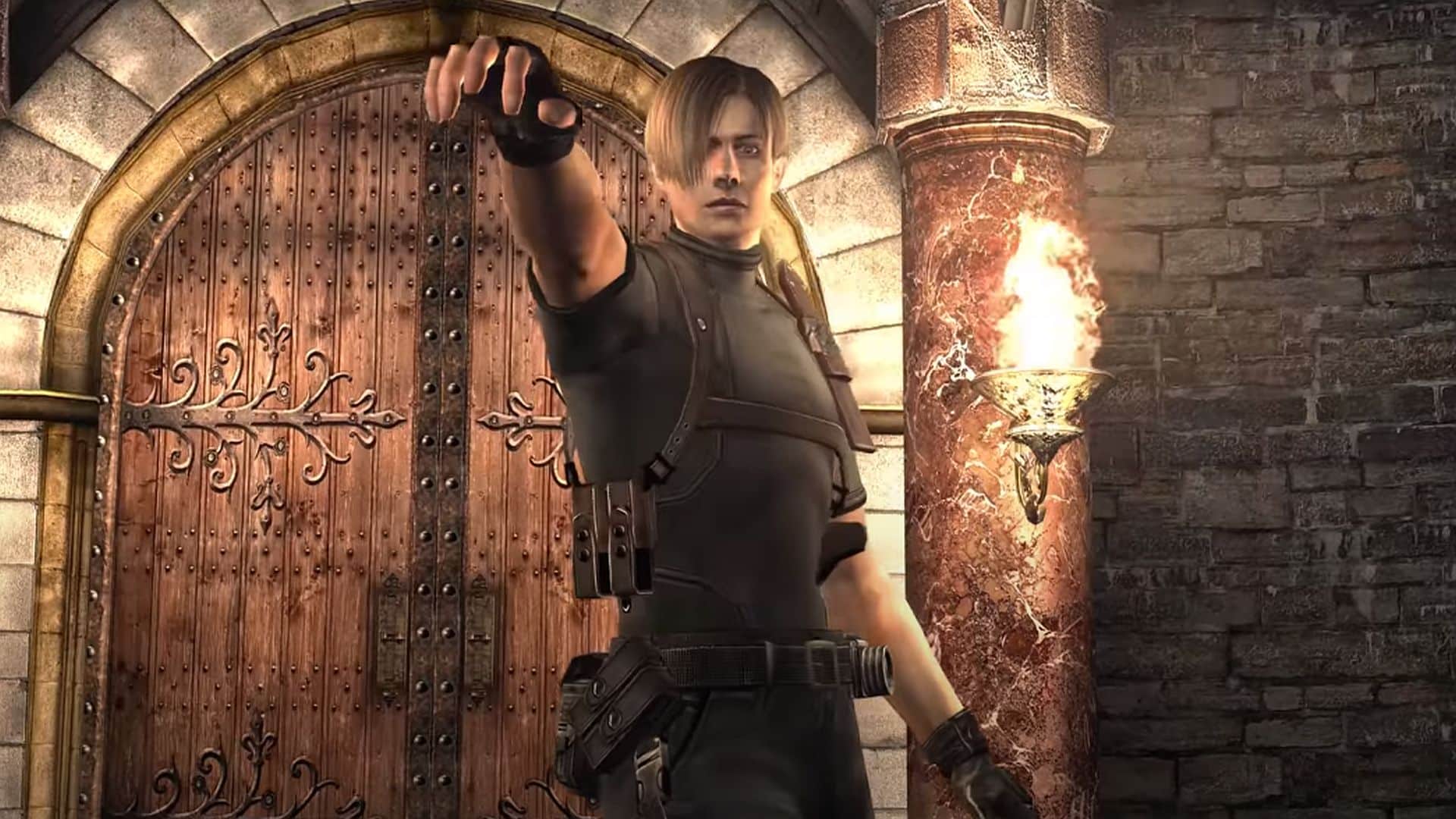
Voice actors do more than recite lines. They shape emotional memory. When Jill Valentine says, “Chris, we’ve got to go—now!” the fear isn’t just in the situation—it’s in the timbre, the breath, the slight break that tells you she’s running on instinct.
Resident Evil has long balanced new interpretations with respect for the past. The original RE2 remake in 2019 introduced new voices, which, while well-performed, sparked debate. Some fans felt the new Claire lacked the determined softness of the original. Others argued Leon’s updated delivery lost some of his dry, rookie-cop sarcasm.
Bringing back original actors—even for brief roles—doesn’t just please fans. It strengthens immersion. Knowing the voice matches what’s etched in memory deepens the horror. It creates continuity between trauma across decades.
What the Leak Could Mean for Upcoming Projects
While unconfirmed, the leak aligns with three plausible directions for Capcom:
1. Resident Evil 5 Remake Long speculated, a remake of RE5 could benefit from vocal continuity. While Chris Redfield’s original actor, Mike Madden, passed away in 2015, hiring original allies like Sheva or even bringing back voice likenesses through archival tech is feasible. But the leaked actor doesn’t match this cast.
2. Resident Evil: Re:Verse Expansion or Sequel Capcom’s ongoing multiplayer project has struggled to gain traction. Reintroducing legacy voices could reinvigorate interest—especially if tied to playable classic versions of characters.
3. Resident Evil 9 or a Raccoon City Prequel
Most compelling is the theory of a narrative centerpiece: a game focused on Raccoon City’s fall, possibly bridging RE2, 3, and Code: Veronica. This would make perfect sense for returning original voices—especially for characters like Claire, Leon, or Sherry Birkin, whose arcs began in that era.
The codename “Project: Raccoon” strongly suggests such a direction. And if Capcom is building a true narrative convergence, original voice performances aren’t just a bonus—they’re essential.
Capcom’s Pattern: Remakes That Honor the Past
Look at the blueprint Capcom has been following since the RE2 Remake:
- Visual Fidelity + Gameplay Modernization: Third-person over-the-shoulder, dynamic lighting, destructible environments.
- Audio Authenticity: Reuse of iconic sound effects (zombie groans, door creaks, typewriter saves).
- Narrative Faithfulness: Expanded story beats, but core plot preserved.
- Voice Strategy: A mix of new actors and, where possible, original performers.
In RE4 Remake, original Ashley Graham voice actor Carolyn Lawrence returned—though in a much larger role than her 2005 appearance. This was no coincidence. It was a signal: Capcom listens.
The current leak suggests they’re doubling down. Rather than recast, they’re reconnecting. That’s not just marketing. It’s myth-building.
Practical Impact on Game Development
Bringing back original voice actors isn’t just fan service—it affects development workflow.
Casting Workflow Adjustments

- Scheduling Complexity: Veteran actors often have packed schedules. Aligning studio time with motion capture and script finalization requires advanced planning.
- Voice Matching: If original actors can’t return, studios use “voice doubles”—a practice that’s improved with AI-assisted tone modeling. But fans can usually tell the difference.
- Script Adjustments: Older actors may require vocal rest or range adjustments. Writers often tweak dialogue pacing or emotional cues to match current vocal capacity.
Archival Use and AI Ethics
There’s growing debate about using AI to recreate voices of actors who are retired or deceased. Capcom has so far avoided this route—likely due to fan backlash and ethical concerns. The fact that they’re reportedly rehiring living talent reinforces their commitment to authenticity over shortcuts.
What Fans Should Watch For Next
Leak or not, the ball is rolling. Here’s how to spot confirmation:
- Union Filings: SAG-AFTRA disclosures often list voice work before games launch.
- Developer Interviews: Watch for vague answers about casting. “We’re honoring the legacy” usually means original talent is involved.
- Soundtrack Credits: Original voice actors are often credited in official OST releases.
- Beta Invites or Closed Tests: Sometimes, voice snippets leak from early gameplay videos.
Until official word drops, fans should treat this leak as a strong indicator—not confirmation. But the consistency of the detail, the alignment with Capcom’s recent strategy, and the emotional resonance all point in one direction: something big is coming.
The Bigger Picture: Legacy in Gaming
This leak taps into a broader shift in gaming culture. Players aren’t just consumers—they’re archivists. They remember voice inflections, animation quirks, and level layouts from 20 years ago. They care about continuity not just in story, but in experience.
By considering the return of original voice actors, Capcom isn’t just making a game. They’re curating a legacy. They’re acknowledging that for millions, Resident Evil isn’t just a series—it’s a timeline of personal play memories, late-night scares, and first encounters with survival horror.
Bringing back the voices means honoring that timeline. It means saying: We remember too.
Final Thoughts
The latest voice actor leak isn’t just gossip—it’s a cultural moment. It reflects a franchise maturing beyond remakes and reboots, into a space where legacy, memory, and authenticity drive development decisions.
For fans, the joy isn’t just about who’s returning. It’s about feeling that their passion has been heard. That the voices etched into their gaming history still matter.
Keep your eyes on Capcom’s next move. The silence may be loud, but the clues are adding up. And when the official announcement comes—likely with a familiar voice echoing through a darkened hallway—that joy will turn into something even stronger: validation.
FAQ
Could this leak be a fake? While possible, the specificity—actor name, project codename, studio details—makes it more credible than most. Still, wait for official confirmation.
Which voice actor is rumored to return? Unconfirmed, but speculation points to the original voice of Leon S. Kennedy, Claire Redfield, or Sherry Birkin—actors tied to the Raccoon City era.
Has Capcom officially responded? No. Capcom typically remains silent on leaks until ready to announce.
Can old voice actors still perform after so many years? Yes—many have maintained their range or adapted roles. Studio techniques like pitch adjustment and vocal rest protocols help preserve performance quality.
Will this affect the game’s release date? Possibly. Reuniting original casts can delay production, but it may also streamline marketing and fan engagement.
Are other franchises doing this? Yes—The Last of Us, Crash Bandicoot, and Metroid have all brought back original voice talent for remakes or sequels.
What’s the best way to stay updated? Follow reputable gaming news outlets, Capcom’s official channels, and SAG-AFTRA union filings for verified casting updates.
FAQ
What should you look for in Resident Evil Fans Celebrate Major Voice Actor Leak? Focus on relevance, practical value, and how well the solution matches real user intent.
Is Resident Evil Fans Celebrate Major Voice Actor Leak suitable for beginners? That depends on the workflow, but a clear step-by-step approach usually makes it easier to start.
How do you compare options around Resident Evil Fans Celebrate Major Voice Actor Leak? Compare features, trust signals, limitations, pricing, and ease of implementation.
What mistakes should you avoid? Avoid generic choices, weak validation, and decisions based only on marketing claims.
What is the next best step? Shortlist the most relevant options, validate them quickly, and refine from real-world results.